English
 Spanish
 Portuguese
 Arabic
 Haitian Creole
 Chinese (Traditional)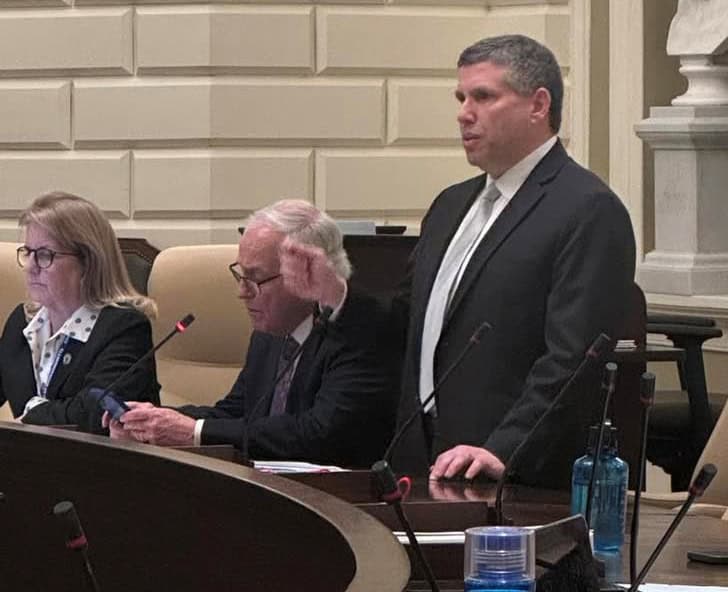

On February 12, 2026, Senator Sal DiDomenico and his colleagues in the Massachusetts Senate took action to give everyone a fair shot at access to housing, and they expanded the state’s car buyer protection law for people who buy new and used vehicles. The two bills they acted upon, S.2947 and S.2945, were passed unanimously, demonstrating the urgent need for these commonsense policies. On February 17, the Massachusetts House referred both bills to its committee on Ways and Means.
“I am proud to work alongside my colleagues to strengthen consumer protections so we can provide our residents extra peace of mind when finding a new home or purchasing a car,” said Senator DiDomenico. “Housing and transportation are essential needs for consumers across our state, and these bills will go a long way towards eliminating discrimination from the housing industry and significantly reducing financial risks during the car buying process.”
Car buyer protections
Lengthening the Commonwealth’s Lemon Law timeline, under S.2925 customers who purchase a new or used vehicle would have seven days after receiving delivery of the auto to void the sale if the vehicle fails to pass inspection. The bill would also boost the maximum mileage for used vehicle warranties by 50,000 miles — up to 175,000 miles — protecting drivers who buy older and more affordable cars. Guarding consumers from the effects of fraud, the legislation doubles — up to $50,000 — the surety bond that used car dealers are required to post to receive their license. The bond is held for the benefit of any buyers who experience fraud. S.2945, An Act modernizing protections for consumers in automobile transactions, also supports people who choose to lease their car by giving lessees a 21-day grace period to catch up on their payments before their car is repossessed.
Housing protections
Illegal discrimination continues to hamper many homebuyers’ and renters’ ability to find a home. One of the bills DiDomenico and his colleagues passed — S.2947, An Act regarding fair housing practices in the Commonwealth — takes aim at discrimination in the housing market by mandating fair housing training for all real estate agents and strengthening state enforcement of fair housing law.
In a 2020 study by The Boston Foundation and Suffolk University, researchers found that 71 percent of Black participants faced housing discrimination and were 30 percent more likely to be “ghosted” by real estate agents. The same study found that renters of all backgrounds with housing vouchers were likely to be prevented from even seeing apartments.
The legislation would toughen penalties for second-offense fair housing law violations, increasing a current 90-day license suspension to 180 days. Violations include discrimination against potential renters or buyers based on different characteristics, such as their color, ancestry, marital status or use of a housing voucher. In cases where violations occur, the bill bridges an existing gap in the license suspension process by allowing the Attorney General and fair housing agencies to directly refer findings of violations to the Board of Registration of Real Estate Brokers and Salespersons.
Under the bill, applicants for a real estate license would, as part of their broader educational requirements, receive four hours of classroom instruction on fair housing law, and current real estate agents would receive two hours of instruction as part of their license renewal process. The training would help agents avoid discrimination against potential buyers or renters based on demographics like race, national origin, religion, disability or age, all of which is illegal under state and federal law.