English
 Spanish
 Portuguese
 Arabic
 Haitian Creole
 Chinese (Traditional)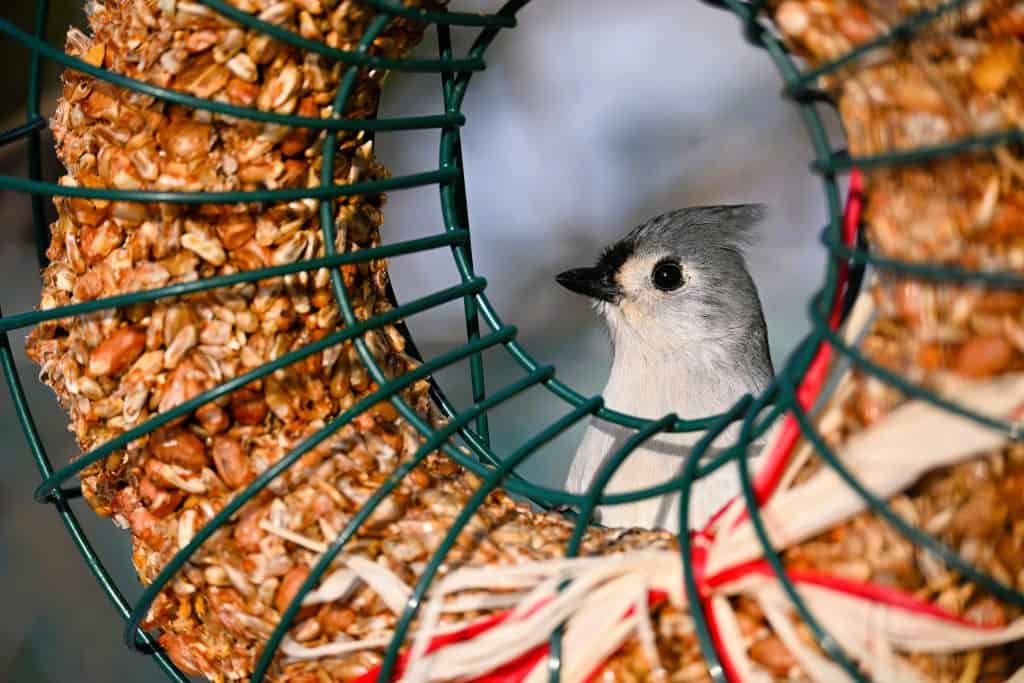

Here’s what’s blooming in town this week to make your walks more enjoyable
By Laura Eisener
New Year’s Day started with snow flurries in the wee hours, and there was even a brief snow squall around 9 a.m. with swirling flakes and low visibility. Freezing conditions cancelled many First Day Hikes, but by early afternoon the sun was shining, and the skies were mostly blue.
On Jan. 3 we experienced the first full moon of 2026, the wolf moon. Like the last three full moons of 2025, this one was also a supermoon, which made it seem larger than usual. It was the last supermoon for a while though, since the next supermoon will not occur until November. As its light was also reflected off our light dusting of snow, the nights seemed quite bright for several days even as the moon slipped in and out between clouds at times. Days are growing longer, although the outdoor temperatures have been mostly below freezing.
While we may be currently experiencing a thaw in the ice covering ponds at the moment, for much of late December and early January the temperatures were colder than average. The Monday between the holidays, December 28, was an exception, with water in three states: solid, liquid and gas! There was still ice on some pond surfaces, but other areas were clear, and we even had the mysterious magic of fog for a good deal of the morning. The warm spell did not last beyond that day though, and several times even the wider parts of the Saugus River had frozen over, resulting in frozen ice chunks drifting down the river as the tides changed.
The bare branches make wildlife watching easier at this time than in the leafy seasons, as it is easier to watch a squirrel run across the tree limbs and jump from tree to tree than when foliage covers everything. The eastern gray squirrel (Sciurus carolinensis) is one of the most common small animals in our neighborhoods. It can eat a wide range of foods, including meat and berries, but generally prefers acorns, hickory and other tree nuts when they are available. It is notorious for raiding the birdfeeders, as it also likes many kinds of seeds, unless they have been treated with hot pepper sauce. Peanuts and pumpkin seeds are popular, too, and several years ago a squirrel actually planted a pumpkin vine for me that produced a couple of pumpkins, as it buried some seeds that it did not retrieve. This habit of burying food for later sometimes results in new trees and other plants growing as a result, since they may not need all the hidden food after all.
The cold weather means that the birds and some mammals need extra calories, so many people feed the birds during the winter. Seed wreaths are seasonal decorations that are popular, as they not only look festive but also feed the birds. The one my family put out for Christmas attracted quite a few different bird species, including a red-bellied woodpecker (Melanerpes carolinus) and a tufted titmouse (Baeolophus bicolor). I expect the woodpecker has a nest in a cavity in my silver maple (Acer saccharinum) trunk, since I often see it and its mate going up and down that tree, looking for insects. Both of these birds are regular visitors to my birdfeeders and remain in the neighborhood year-round. Northern cardinals (Cardinalis cardinale) also are attracted to these seeds but seem to prefer foraging on the ground under the feeders more often than actually perching on the feeders. I did find them clinging to the wreath once or twice, though, before it was devoured.
Editor’s Note: Laura Eisener is a landscape design consultant who helps homeowners with landscape design, plant selection and placement of trees and shrubs, as well as perennials. She is a member of the Saugus Garden Club and offered to write a series of articles about “what’s blooming in town” shortly after the outbreak of the COVID-19 pandemic. She was inspired after seeing so many people taking up walking.