English
 Spanish
 Portuguese
 Arabic
 Haitian Creole
 Chinese (Traditional)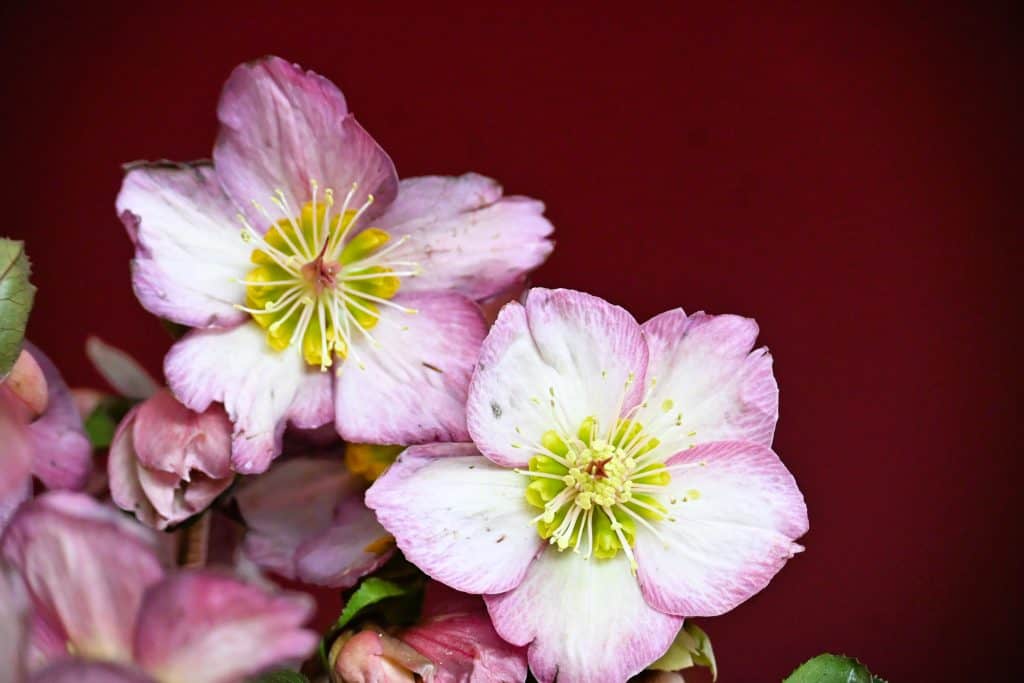

Here’s what’s blooming in town this week to make your walks more enjoyable
By Laura Eisener
Last Sunday, March 1, was the first day of meteorological spring.
Deep snow has covered the ground since mid-January, but it is finally beginning to disappear, and with warmer temperatures expected this weekend some tree buds will be swelling. The Arnold Arboretum in Jamaica Plain has reported some pussy willows (Salix spp.) in flower, so we should soon be seeing some fuzzy gray blossoms here on the North Shore, too.
As the snow begins to recede, a bit of green begins to show in the gardens. Most green sprouts we are seeing now will be sprouting foliage of hardy bulbs, especially daffodils. Daffodils will flower in April or May, depending on variety, but start sending up leaves a month or so earlier. Near a south-facing house foundation or stone wall, which acts as a passive solar collector and warms up the nearby soil, the leaves may start showing and the flowers may actually bloom a few weeks earlier than in other sites. Daffodils are among the most popular bulbs, since they are seldom eaten by rabbits, groundhogs or deer, which are fond of eating tulips and crocus flowers.
Among the few very early non-bulb perennials that sometimes bloom in March, evergreen Lenten roses (Helleborus orientalis) are among the most rewarding. Since they bloom before the ground is fully thawed, they are at their best before garden centers open for the season. Sometimes they are sold in pots that can be enjoyed indoors, and once the ground thaws they can be planted in a shady spot where their green foliage can add to the landscape and they will bloom for many years during the early spring. They will not be eaten by wildlife, and while spring temperatures will affect when they bloom, the plants themselves are very hardy. Indoors or out, if the leaves look droopy, they will usually perk up within a few hours of being watered.
We are also beginning to see the ice on the Saugus River melting; the surface ice has melted and refrozen in several spots over the course of the winter. Larger ponds still had ice and snow built along the river in many places we can see moving water. As the melting continues, fishing birds like herons and egrets return, and beavers will begin building new dams and repairing existing ones.
Since American robins (Turdus migratorius) have few insects to eat in winter, they subsist on fruits left over from fall until the ground thaws. Among the fruits that help sustain them are the red clusters of staghorn sumac (Rhus typhina), a native shrub that thrives in sun and poor, rocky soils. This colony of staghorn sumac is on Hitching Hill Road near Vinegar Hill in Lynnhurst.