English
 Spanish
 Portuguese
 Arabic
 Haitian Creole
 Chinese (Traditional)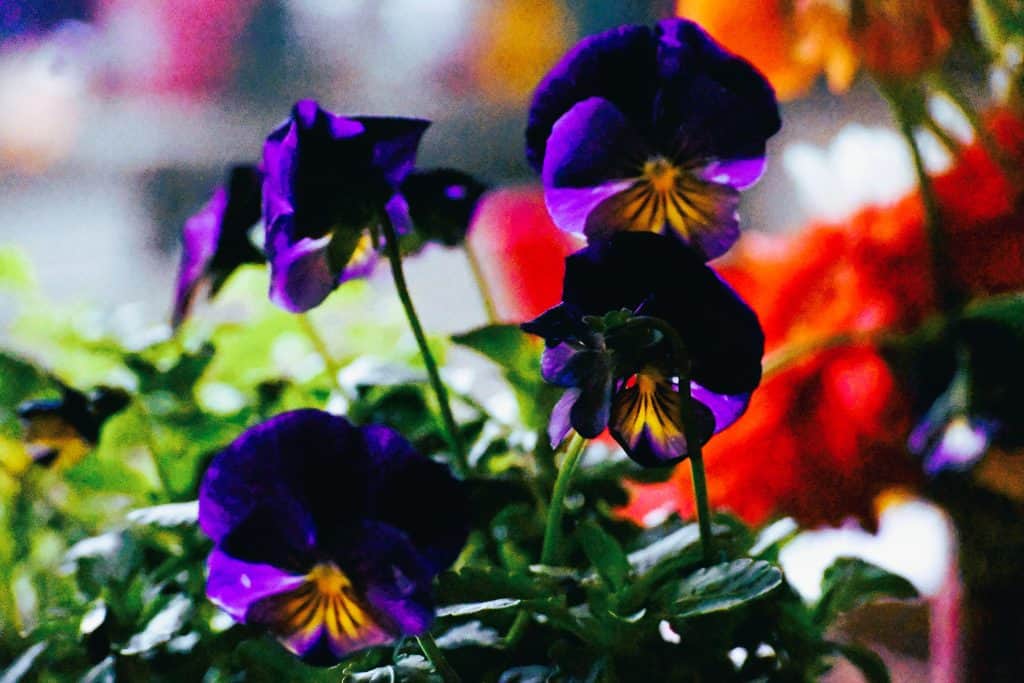

Here’s what’s blooming in town this week to make your walks more enjoyable
By Laura Eisener
Monday afternoon’s warmth and sun brought many people out for walks. In addition to the many spring bulbs in bloom now, flowering trees and shrubs are making a great show this week. Just a little before sunset that evening, I heard spring peepers (Pseudacris crucifer) in Pirate’s Glen. The mating calls of these tiny frogs create a musical chorus in damp, woodsy areas as the weather warms.
Earth Day is Wednesday, April 22. The Saugus Garden Club will appropriately have its member luncheon at Breakheart that day.
Forsythias (Forsythia intermedia and hybrids) are in full bloom now. They are popular planted as hedges, since their fast growth makes them a privacy screen quickly. This is one of the most bright and cheerful spring blooming shrubs, with its sunny yellow four-petalled blossoms before the green leaves emerge.
Washington DC’s famous Cherry Blossom Festival concluded last weekend with a parade and other festive activities, but in our colder zone we are just seeing the start of blossoms on our trees. The first buds of early cherry species, such as Japanese cherry (Prunus yedoensis) and weeping cherry (Prunus subhirtella pendula), are showing color before and as their leaves begin to emerge. We have a few more weeks to wait for the later Kwanzan cherry (Prunus serrulata ‘Kwanzan’), which blooms when its foliage is already out. Also in bloom this week here are flowering plums (Prunus blieriana and hybrids), which are similar to the cherries and closely related small trees with pink or white blossoms. Once the leaves come out, several ornamental plums have purplish foliage.
Last weekend was another delightful Books in Bloom show at the Saugus Public Library. For several years my husband and I have both participated, and the many beautiful designs did not disappoint. Finally this week the weather is warming, and we can actually do some
planting outdoors.
Pansies (Viola cornuta, Viola tricolor and hybrids) are among the most popular spring flowers. Many nurseries, garden centers and markets have them available in early spring. They have some impressive ranges of color combinations and have been favorites of breeders in recent years. They can bloom several months through the spring and early summer if faded flowers are picked off. Once the temperatures become too warm though, they will stop blooming. If they are in containers, they can be moved into a more shaded spot to make them last a bit longer.
Sometimes considered tender biennials, while others think of them as hardy annuals, pansies are somewhat difficult plants to categorize. Unlike tropical annuals like petunias, they are tolerant of light frosts, although they would not survive our winters without protection. On the other hand, they do not like hot summers the way most popular annuals do. In most of New England, they thrive in spring and fall. Traditionally seeds are planted in fall in cool greenhouses, or outdoors in the ground with a thick mulch, to bloom the following spring or fall.
In my Saugus childhood, I remember going to Sim’s Carnation Company in East Saugus, where the pansies were planted in fall under a thick blanket of salt marsh hay. Around this time of year, they would rake off the hay and let people dig their favorites to fill a six-pack. We would walk around the field many times, trying to decide on the last couple of plants, since there were so many color combinations. Two six-packs might have been too extravagant for our allowances!
While temperatures remain cool in early spring, they like sun, but if you want to try keeping them into the hot months of summer, they need to be shaded to stretch out the bloom period. In any location, pansies will continue blooming longer if the faded flowers are removed.